



Union Sports Minister Dr. Mansukh Mandaviya chairs 152nd MOC meeting to begin preparations for LA 2028 Olympics

New Delhi, January 7: Honourable Union Minister for Youth Affairs & Sports Dr. Mansukh Mandaviya chaired the 152nd Mission Olympic Cell (MOC) meeting here at the Major Dhyan Chand National Stadium on Tuesday in the presence of eminent sportspersons, administrators and coaches. The main agenda of the meeting was introduction of members for the newly-constituted MOC and planning for Los Angeles 2028 towards improving India’s medal tally at the Olympics. The Sports Minister emphasised on employing a 360-degree approach to improve the Indian sports ecosystem with consolidated efforts from National Sports Federations (NSFs), State governments, Corporate houses, Public Sector Undertakings (PSUs) and Non-Governmental Organisations (NGOs). “This is an important forum for me, many actions have already started as per ideas shared by all of you. Winning medals in the Olympics is not a one-year or 6 months job. It requires preparation well in advance. India’s sports infrastructure and funding is at par with the countries performing well at the Global stage. As you are aware, our Prime Minister is fully invested in the idea of making India a sports superpower. So, we have to hold each other’s hands and all stakeholders have to contribute to take the country forward,” Dr Mandaviya said during the two-hour meeting. Olympic medallist Gagan Narang, Pullela Gopichand (Vice-president, Badminton Association of India), Viren Rasquinha (Olympic Gold Quest), Aparna Popat, Dronacharya awardee para coach Dr Satyapal Singh, Arjuna awardee Prashanti Singh, Sports psychologist Gayatri Madkekar, Kamlesh Mehta (Secretary General, Table Tennis Federation of India), Cyrus Poncha (Secretary General, Squash Rackets Federation of India), Deepthi Bopaiah (GoSports Foundation), Siddharth Shanker (Reliance Foundation), Manisha Malhotra (JSW Sports), Gautam Vadehra (Joint Secretary, Petroleum Sports Promotion Board) and Prem Lochab (Railway Sports Promotion Board) attended the meeting along with officials from the Ministry of Youth Affairs & Sports (MYAS) and the Sports Authority of India (SAI). Secretary (Sports), Smt. Sujata Chaturvedi, welcomed the newly-constituted MOC members followed by a brief introduction of the Target Olympic Podium Scheme and objective of the meeting by newly-appointed CEO Nachhatar Singh Johal. The key points discussed during the meeting were: 1. Formulation of a robust talent identification criteria of Development Group for Brisbane 20322. Developing short/medium/long term targets for athletes included in TOPS3. Monitoring preparedness and actual performance vis-à-vis short/medium/long term targets4. Approval of budgetary requirements for customised training of individuals and teams5. Identifying and availing services of High Performance Experts to meet training needs of athletes
Run Strong, Stay Healthy: A Marathoner’s Guide to Achilles Tendinitis

As a sports physician working with few marathon runners, I understand the dedication and commitment required to train for and complete 42 KM race. Unfortunately, Achilles tendinitis is a common setback for many runners, threatening their training and race goals. This article provides a marathoner’s perspective on Achilles tendinitis, covering its causes, prevention, and management strategies tailored to the unique demands of marathon training. What is Achilles Tendinitis? The Achilles tendon that connects your calf muscles to your heel bone, is crucial for the repetitive push-off motion, which is essential for running. Achilles tendinitis is the inflammation or irritation of this tendon, often caused by the repetitive stress inherent in marathon training. It’s like a rope fraying under constant tension; the tendon becomes painful and can limit your ability to train effectively. Symptoms: Recognizing the Warning Signs Early Early recognition of symptoms is crucial for marathoners. Key symptoms include: Distinguishing tendinitis from a rupture (tear) is critical. A rupture presents with sudden, severe pain, often described as feeling like a “pop” or being kicked in the back of the leg, accompanied by immediate inability to push off the foot. This requires urgent medical attention. Mechanism of Injury: How Marathon Training Impacts the Achilles ? Marathon training presents specific challenges to the Achilles tendon: Causes & Risk Factors: Marathon-Specific Considerations Several factors specific to marathon training can contribute to Achilles tendinitis: Complications: Avoiding Training Disruption Untreated Achilles tendinitis can progress to a more chronic condition or even a rupture, significantly disrupting your marathon training schedule. Prevention: Staying on the Road to 42 KM Prevention is paramount for marathoners: Management: Getting Back on Track If you develop Achilles tendinitis: When to See a Doctor: Consult a doctor or sports physician if your pain is persistent, severe, or doesn’t improve with conservative treatment. They can rule out other conditions and recommend appropriate treatment options. By understanding the unique challenges marathon training presents, you can minimize your risk of developing tendinitis and stay on the road to achieving your marathon goals. Remember, consistent training, proper recovery, and listening to your body are key to a successful and injury-free marathon journey. The Sportz Planet Exclusive,Dr. Amol Patil Consultant Sports PhysicianFormer Team Doctor (Indian Boxing Team) | Former Consultant MY&S (Mission Olympic Cell)
How Do You Prepare For A Marathon?

The Mumbai Marathon is just round the corner and there surely are a lot of people who will be participating for the first time. However they should know that preparing for a marathon is an exciting and challenging journey that requires careful planning and consistent effort. Whether you are a seasoned runner or a first-timer, knowing how to properly prepare for a marathon can make all the difference. Here’s a detailed guide on how to prepare for a marathon and increase your chances of crossing the finish line successfully. 1. Know Your Limits Before The Marathon Make sure to estimate your present health and fitness status. If you have never run before or have not been active for a long time or are more than 40 years old, you should visit your healthcare provider before beginning marathon preparations in order to ensure the preparedness of your body for all the stresses to which marathon training exposes it. A doctor can help you identify any potential health concerns and give you the green light to begin marathon preparation with confidence. 2. Build A Strong Marathon Foundation The most important step in preparing for a marathon is building a solid running foundation. If you rush into marathon training without a base, you may risk injury and burnout. Ideally, you should have a year of regular running experience prior to attempting the marathon. Base mileage should be around 20–30 miles per week. This will give your body adequate time to build up for the intense marathon training that is sure to come. You can also start with races like 5Ks and 10Ks and gradually work your way up to the half marathon to build up gradually before the actual marathon distance. 3. Cross-Train For Your Marathon Primary focus in marathon training is running, while cross-training can prove to be wonderful for improving your performance in marathons. Cross-training includes cycling, swimming or the elliptical, which helps one build aerobic fitness while reducing the risk of injury. Use cross-training on easy runs or recovery days while reserving long runs and speed workouts for actual marathon-specific training. Cross-training will increase your weekly training volume without putting too much stress on your body. 4. Keep Accountable In Marathon Training It is very challenging to keep motivated during marathon training, however, accountability is a key factor that keeps you going. Share your marathon journey with friends, join a local running group or track your progress using fitness apps. You can hire a coach who will guide you through your marathon training plan. The camaraderie of running in a group or competition with logging in miles can all help make training for a marathon both fun and achievable. 5. Create A Marathon Race Day Strategy As race day approaches, it’s crucial to have a solid marathon race day plan. Focus on your fueling and hydration strategy, practicing these during your long runs to understand what works best for you. Proper hydration and nutrition on race day are essential to avoid the dreaded “wall” and ensure a strong marathon finish. So to sum it up, training to run a marathon requires careful preparation, constant effort and a smart training approach. Prepare that running foundation with cross-training and accountability to welcome you to the world of marathoners and you won’t even realize how soon you’ll be knocking on the door for conquering the marathon. The Sportz Planet Desk,Atharva Shetye
Why Should Coaches Be Called ‘Sculptors’?

At a time when athletes are recognized for their physique and performance, one key contributor to the latter’s success has been less appreciated, the coach. Dilip Kumar, who is the head of health, fitness & sports Investments at Rainmatter and an avid endurance sports enthusiast spoke about how there is a need to regard coaches as sculptors, rather than merely trainers, at The Sportz Planet SportSci Summit Season 2 held in Bengaluru recently. This metaphor underlines the very important and multifaceted role that coaches play in forming athletes not only in sport but in life. What It Takes Being A Coach? Being a sports coach goes beyond the level of an instructor to depict a method of technique or strategy. Sports coaches are almost the sculptor and their sculpture would be carved into the real, possible block of stone-an athlete. Its effect goes all through his personal as well as actual performance while giving an actual realization to grow the personality to further development in its whole concept. Shaping Performance And Skills Coaches are people who have a major role in perfecting an athlete’s skills and helping him or her perform better. They must keenly observe athletes’ strengths and weaknesses, analyze their physical abilities and try to find areas of improvement. A coach is a sculptor who shapes technical skills, fitness and knowledge about the sport in the athlete. A coach, sculptor is constantly giving feedback, changing training programs and introducing new strategies to ensure that his athletes are always changing. The key factor in the entire process, here again, would be technical knowledge that a general interest sports coach possessed, would become a specialist to come up with some knowledge and insight into very special nuances of sport, whether how to fine tune a cricket swing or craft an appropriate swimming stroke or indeed formulate footballer strategy. And this skill turns good athletes into great athletes, establishing bases for competing with success. Mental Toughness: The Sculptor’s Mind Though there is also physical training while building up physical stamina of a sportsperson, sports coaching has been synonymous with developing that mental strength on the part of an athlete for coping with stress, focusing moments and handling mishaps well. It helps athletes in acquiring technical knowhow however, at the same time extends psychological tools by which the participant is protected against self-doubts and keeps feeling motivated. Coaches delicately chisel away at a block of marble, as much as sculptors do, at the mental and emotional factors that bring an athlete success. Such qualities include discipline and emotional intelligence, all valuable beyond the playing field. Life Coaching Beyond The Field Of Play Beyond the training track, a trainer impacts his teammates. A coach is a guide and role model of his team plus a buddy for his players. Coaches learn the ropes together with the athletes about the everyday things such as formulation of goal, proper time utilisation, self development, which are all-round qualities that are perfected through the attainment of values: teamwork, leadership, and respect. Coaches are like sculptors in many ways. They do not only shape the athletic skills of an athlete but also the molding of his character. They shape young minds and imbue qualities that make athletes perform better on the field and even outside it. Their guidance proves to be a treasure in ensuring that athletes maintain a balance between the pressures of sport and daily life. Networking Opportunities A specialist coach, apart from bringing technical and psychological expertise into a team, brings with himself a vast array of contacts across the sports world. From scouting agents and sporting agencies to senior coaches, there are many inroads that lead an aspiring player towards significant doors of opportunity. A coach makes possible the avenue through tournaments, trials or training camps for any talent to begin his professional journey. Coaches are often the ones who bridge the gap between the training ground and the world of professional sports, offering athletes platforms to showcase their skills to larger audiences. This exposure can lead to professional team selections, sponsorships, and greater visibility within the sporting world. Can We Recognise Coaches As Sculptors? Indeed, one fitting tribute has been said by Dilip Kumar about labeling coaches as ‘sculptors’. A coach isn’t just a trainer. It is at one and the same time a mentor, motivator, psychologist, advisor or anything else that could take the athlete on a path leading him toward ultimate brilliance. As sculptors can mold a piece of stone into detailed perfection, so, too, coaches take those athletes and make them do the same via grueling exercises and challenging mental conditioning. The importance of coaches in the world of sports is now becoming more and more acknowledged, so it is high time to grant them their status, for they are the true chisellers of athletic talent. Coaches shape not only champions but also balanced personalities through commitment, expertise and support in the lives of their athletes. The Sportz Planet Desk,Atharva Shetye
What Did Australia’s BGT Win Tell About Their Present And Future?

Australia’s comprehensive 3-1 series win over India in the recently concluded Border-Gavaskar Trophy was a result that showed the team’s mentality, depth and future potential. Some testing moments were seen, especially from India’s star pacer Jasprit Bumrah and challenging pitch conditions, however, the win raises several questions about Australia’s squad, their immediate future and their long-term plans. Here’s a breakdown of the key takeaways from the series with a focus on what lies ahead for Australia. How Long Can Usman Khawaja Continue Playing For Australia? At 38, Usman Khawaja’s test future for Australia is now in question. His series against India was a tough one—he managed only 184 runs at an average of 20.44, which was a disappointing return for the opener. Khawaja was struggling against Bumrah, getting out to him six times and his last 24 innings average is just 28.68. However, his captain Pat Cummins feels that Khawaja is still playing well and can continue as long as he’s contributing. However, with his 39th birthday looming during the 2025-26 Ashes, how long can Khawaja continue to hold on to his spot? Performances in tough conditions in Sri Lanka and India may provide him with a temporary reprieve, however, a tour of the West Indies and a World Test Championship Final could well determine his immediate future. Can Australia Accommodate Both Beau Webster And Cameron Green In The Same XI? Beau Webster’s performances at Sydney, have given selectors plenty to think about. He looked the most assured batter on show when things were toughest and can also offer off-spin which adds value to his package. With Cameron Green recovering from back surgery, it is possible both might play in the same side especially with Green set to be used as a batter-only short-term solution. However, how might Australia squeeze both into the one XI? Beyond Nos. 4 and 5, to be taken up by Travis Head and Steven Smith, reshaping the top order to make way for both looks a challenge in itself. So if Green ever returns to top form, being able to include the luxury of keeping both in the same team at least offers further balance to Australia. Will Scott Boland Future Regularly For Australia? Scott Boland’s strong record of 56 wickets at 17.66 has given him a safety, however, a regular spot in the Australian XI by no means is sure. Boland was pretty good in the last two matches of the Border-Gavaskar Trophy at Melbourne and Sydney. At 35, Boland’s future depends on managing his knee issues and with Hazlewood and Starc also in the twilight of their careers, Australia could soon need to look to younger quicks to maintain their strength in attack. What Does Australia’s Squad Depth Say About Their Future? Australia has a fine balance of experience and youth. With only two players below 30 in the side for the India series, things are looking bright for the young contingent. Todd Murphy (24) seems likely to be part of the Sri Lanka tour. Sam Konstas (19) did a fine job on debut. Cameron Green (26), Josh Inglis (29) and Beau Webster (31) give the side some excellent future options. While some might say the old core of the team is getting on, Australia’s selectors feel this transition will occur organically. The blend of experience and youth with an ever-changing squad ensures a bright future, as they now look to retain their World Test Championship title while continuing their hegemony in test match cricket. What Does All Of This Mean For Australia’s Forthcoming Tours? The series win over India showed that Australia has the power and flexibility to win in the short term, however, raises big questions about the roles of players like Khawaja, Green and Boland. Decisions made in the next series against Sri Lanka, the West Indies and the Ashes will define Australia’s future. The old guard and the new faces are going to be a perfect blend in defining the team’s test cricket journey in the years to come. Do let us know how does the future look like for Australia in test match cricket? The Sportz Planet Desk,Atharva Shetye
What Is The Two-Tier Test Cricket System?
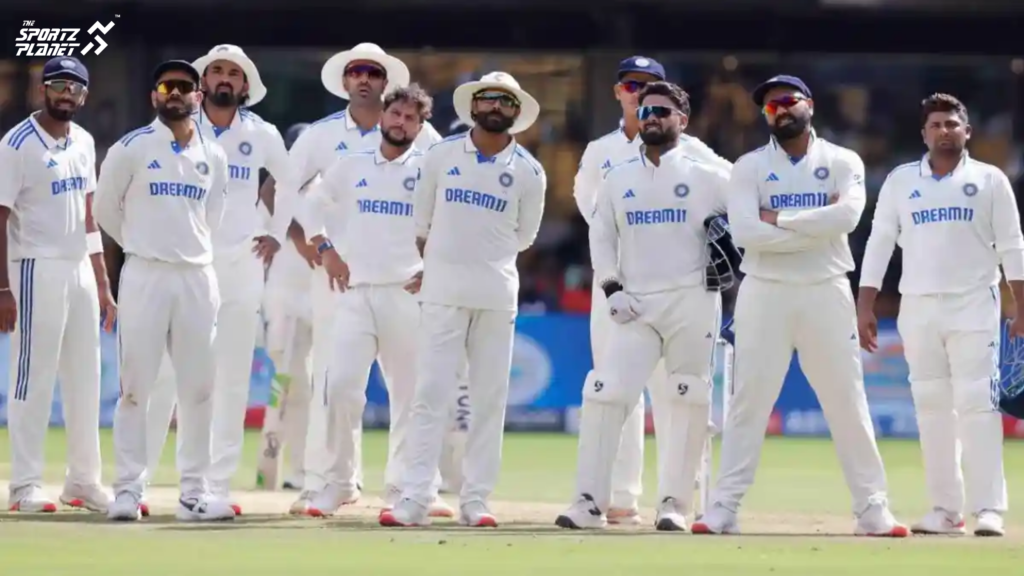
Jay Shah, the new ICC Chairman, is keen to have the very first two-tier test cricket system. So scintillating was the five-test Border-Gavaskar Trophy between India and Australia that he is seeking the same. As many as 837,879 attended the tests of this series; all these turned out to be the fourth-most-better-attended cricket series in Australian history. Two-Tier Test Cricket Backed By Leading Cricket Boards It tries to make a more competitive and hence commercially viable, Test format in which the best teams play each other more often. The prime movers behind this are major cricket boards from India, Australia and England and certain sections of the broadcasting industries keen to jump at the chance when the format comes of age. The Two-Tier Approach More matches between the top teams like India, Australia, England, South Africa and New Zealand would be played in the first division. Teams that are not doing so well in Test cricket would comprise the second division with Zimbabwe, Afghanistan and Ireland. Teams like Bangladesh and West Indies, who have been a mixed bag lately may also be accommodated in the lower tier. Competition And Future Uncertainty The plan would make for more exciting contests between the best sides and yet give the teams that are still building their Test credentials a separate environment. The system would probably then see the top-tier teams play inside their division, with the weaker teams competing with each other. As of yet, not much is clear regarding the system, but one possible aspect is whether or not there will be a chance for promotion and relegation among the two divisions. A Long-Standing Debate Resurfaces The two-tier test format was also floated in 2016. However, the BCCI, that time under Anurag Thakur was not in support of it, mainly because it felt that it is not fair towards the smaller nation. However, the massive commercial interest in some of the more big-ticket series, such as the BGT, has restarted the debate. Recently, former coach of India, Ravi Shastri showed his support towards the format in the event; regular games by strong teams may ensure survival, in the long term, of test cricket. Change In Test Cricket Scenario Still very early for its plan that is to mold its future in cricket. Do you think that the two-tier test cricket format will come into existence? The Sportz Planet Desk,Atharva Shetye
Abhinav M On Nutrition Challenges Encountered By Grassroots Athletes

There is a very sound arrangement for the high-class nutrition supply to the elite level athletes in the country, professionally skilled dietitians and an optimized diet with respect to personal requirements and events for each discipline of sports which these elite players compete at globally. Nutrition For Elite Athletes From high-tech recovery meals to the latest supplements, top Indian athletes are well-stocked with the finest resources. Ensuring that the advanced sports science facilities and the expert guidance made available to them ensure that these athletes remain top of their games to come even closer to bagging medals and breaking records is not a daunting task. Nutrition Gaps At Grassroots Level The story goes drastically different with grassroots athletes of India. Although interest in sports is increasing throughout the country, most young athletes, who are at the very initial stages of their career, lack proper nutritional support. According to Abhinav M. who is the Head Of Performance at the Prakash Padukone Badminton Academy and a veteran sports nutrition expert during The Sportz Planet SportSci Summit Season 2, grassroots athletes generally do not have proper diet plans, professional nutritionists or even basic nutritional education. Nutrition Education And Access For Grassroots Athletes Most of the time, young athletes who remain in rural or underprivileged regions have to take home-cooked meals that are not good enough to fulfill the specific energy and nutrient requirements that they need to achieve in the process of developing as an athlete. Even among those residing in cities and gaining easy access to such facilities, lack of proper counseling on optimal fueling during training and recovery remains a factor that prevents them from reaching their full growth and performance potential as well as optimal well-being. Nutritional Coaching And Support Grassroot athletes lack any structures and qualified coaches that would sensitize them to nutrition as a determinant of better performance. Without clear nutritional plans, skilled athletes are disadvantaged in the position to compete against their counterparts in national or international levels. Crossing Over The Nutrition Divide As pointed out by Abhinav M, this will be of crucial importance to unlocking all the potential that the country holds in its sporting variety. Nutrition education needs urgent investment and access to better trained nutritionists and affordable and sustainable nutrition programs at all levels of athletes. Only then can India look forward to a more competing and successful sporting future when grassroot-level athletes receive as much nutritional attention as their elites. The Sportz Planet Desk,Atharva Shetye
AUS v IND: India’s Tour Of Australia Dissected

Team India has had a disastrous Border-Gavaskar Trophy. The men in blue were expected to do much better by their fans. However, let’s understand what went wrong with the Indian Cricket Team during their tour of Australia. Team India’s Early Concerns India’s tour of Australia started with a question mark over Jasprit Bumrah’s fitness, many wondering what the team would do if he wasn’t available. However, Bumrah not only played but also produced a series of scintillating performances, almost single-handedly keeping India in the hunt. His leadership and bowling inspired the rest of the attack. However, despite his heroics, India’s chances of success ultimately crumbled without him in the final stages of the series. Team India’s Batting And Leadership Struggles The most notable subplot of the series was the disappointing batting. While Rohit Sharma led by example, his own batting form let him down, whereas Virat Kohli, even at his best attempt to rally his team, made only an indelible mark in the second innings of the Perth test with a crucial century but couldn’t convert stars into substantial innings. Virat and Rohit, who form the spine of Indian batting were not well supported by the rest of the batters. KL Rahul, starting quite sensibly, again became invisible in important moments of the game, something like his ill-judged shot against Scott Boland at the SCG. Team India’s Haphazard Selections And Missed Chances What was concerning at the selection end too. Introducing Harshit Rana at Perth when things were already down and not sending Washington Sundar to bat before the overcast SCG is a dubious policy. Further changes in opening combo, like asking Rohit Sharma to bide time to bat below five, haven’t helped. Among these selection mistakes, all through the series it was such strategic blunders also that provided flavor to chaos this tour epitomized. Australia’s Consistent Performances With chaos all around, India’s bowling remains a strength still led by Jasprit Bumrah. Nevertheless, without appropriate support from their batting lineup, the bowlers did not win any of the moments where they needed them to win this series. It was a case of a very balanced performance by Australia. For Pat Cummins, his tie-up with Mitchell Starc and Scott Boland as well as great contributions from the bat of Steven Smith and Travis Head kept his team ahead. Gambhir’s Tough Decisions In the end, team India’s failure to bring their best games through key individuals in addition to few tough selections they made in a series resulted to be very pricey. Now the series ends losing the BGT, the head coach Gautam Gambhir needs to take many tough calls on players like Virat Kohli and Rohit Sharma. Ahead team India will have to find a gap and rebuild again for challenges it will face again in the upcoming WTC cycle. The Sportz Planet Desk,Atharva Shetye
What Is Creatine And How Does It Benefit Athletes?

Creatine is a product that occurs naturally in much lower concentrations in foods such as meat and fish. In the body, it’s produced from amino acids. It accumulates predominantly in the muscles, where the compound, through its production of energy for high-intensity activities, performs the central role. For athletes, for some time, creatine supplements have long been a favorite performance-enhancing product that aims at recovery, thus accelerating muscle growth. What Does Creatine Do? The main role of creatine is replenishing adenosine triphosphate, which is the major energy carrier in the body. ATP is used very rapidly during intense physical activity and once the stores are depleted, performance will start to decline. Creatine replenishes phosphocreatine stores in the body that enable a faster regeneration of ATP, which is critical for activities requiring short bursts of energy like weightlifting, sprinting, or any explosive exercise. Benefits Of Creatine For Athletes 1. Increases Muscle Strength The most widely noticed benefit of creatine is the increase in muscle strength. Creatine ensures that the muscles are well-stocked with fast energy sources that can be utilized for short as well as very intense exercises so that the person being able to do a higher number of repetitions and eventually, has better overall gains in strength. This is specifically helpful for athletes who are performing resistance training or power-based sports. 2. Muscle Building Creatine enhances muscle protein synthesis; this is the process through which the body develops new muscle tissue. Creatine improves strength, which enables athletes to train harder and longer. Improved strength indirectly favors muscle building. Long-term use of creatine often leads to massive muscle gains, mainly in the presence of regular strength training programs. 3. Improves High-Intensity Performance It is well-known that creatine supplementation increases performance in exercises requiring short, explosive bursts of energy, like sprinting, jumping, or lifting heavy weights. This is because it keeps higher levels of phosphocreatine in the muscles, which implies that there is energy ready to be used for explosive movements. Hence, creatine is most beneficial for athletes in football, basketball and track. 4. Muscle Recovery Aid Creatine also speeds up the recovery process for muscles after a workout. It reduces the time muscles require to heal, thereby reducing general fatigue and soreness and enabling athletes to train more often with less recovery time. It is very helpful when there are heavy training periods or competitions. In a nutshell, creatine is a very versatile supplement, scientifically supported which benefits athletes by displaying the elements that include increased strength and muscle growth, improved performance and fast recovery. The Sportz Planet Desk,Atharva Shetye
AUS v IND: Australia Beat India, Take Home The BGT And WTC 2025 Final Berth

And the Border-Gavaskar Trophy is coming to Border’s land. Australia have beaten India 3-1 and have taken home the Border-Gavaskar Trophy. Australia Take The Border-Gavaskar Trophy And WTC Final Berth Australia has won the Border-Gavaskar Trophy 3-1 against India to qualify for the final of the World Test Championship (WTC) 2025 Final. The win came on Sunday when Australia defeated India by six wickets. Australia will now take on South Africa in the WTC 2025 final, which is scheduled for June 11, 2025, assuming they do not lose any points for slow over-rates in their remaining games. Australia stand second in the WTC chart, have a win percentage unassailable by the third-placed team even if they are beaten 2-0 by Sri Lanka in the series that’s about to commence. India’s WTC 2025 Final Hopes Dashed By Australia India has been out of contention for the WTC 2025 final. Having lost 3-0 to New Zealand, India had to beat the Australia or draw the five-match test series to remain in contention. The outcome of the Border-Gavaskar Trophy proved India’s exit, though. Bumrah’s Injury Worries Jasprit Bumrah, despite suffering from back spasms during the Sydney test, was named Player of the Series for his outstanding performance. He claimed 32 wickets in the series, though his absence from the field in the fourth innings, where India had to defend 162 runs, left them a bowler short. Bumrah, who bowled only 10 overs before leaving the field, was candid in expressing frustration but at the same time listened to his body and said, “You have to respect your body. You have to accept what it is and move forward.” Webster’s Impressive Test Match Debut For Australia Beau Webster, on test match debut, played a crucial role in Australia’s victory. Chasing down the target, Webster remained unbeaten on 39, including a boundary off Washington Sundar to seal the win. His composed performance helped Australia complete the chase, marking a memorable start to his test career. Steve Smith’s Near Miss On 10,000 Test Runs Apart from that, Steve Smith was looking forward to achieving a milestone. Unfortunately, with just four runs, Smith was dismissed and stranded on 9999 test match runs for Australia. A short ball by Prasidh Krishna got the better of him. Australia was at 58/3 at that point. Usman Khawaja (41), Travis Head and Webster helped stabilize the game and take Australia to a comfortable victory to clinch the series and book their spot in the WTC 2025 final. The Sportz Planet Desk,Atharva Shetye