



World’s Most Physically Demanding Sports – Are you in?

Sports, usually, are misunderstood as a form of leisure and nothing else. However, that’s not the case. Sports need a lot of preparation, hard work, determination and skill to be played. Sports are exceptionally challenging and demand a different gravy of an athlete—those who might even be considered a bit crazy. Some sports push athletes to their absolute limits. Let’s explore some of the most physically demanding sports played around the world. Boxing Boxing is frequently regarded as the world’s most physically demanding sport due to the incredible physical and mental challenges it presents. Boxers need to develop an extraordinary level of cardiovascular endurance to sustain high-intensity activity throughout multiple rounds, each filled with rapid movements, powerful punches, and constant defense. The sport requires a combination of strength, speed, agility, and reflexes, along with precise technique and strategic thinking. Training for boxing involves rigorous routines that include strength training, aerobic conditioning, sparring, and skill drills. Additionally, the mental toughness required to endure physical pain, stay focused under pressure, and maintain composure during bouts is immense. The combination of these rigorous physical and mental demands makes boxing one of the toughest and most challenging sports in the world. Gymnastics Gymnasts at the top of their game train at least 40 hours per week, equivalent to a full-time job. Even beginners can expect to train close to 15 hours per week. Gymnastics requires balance, strength, speed, and hand-eye coordination. Modern gymnasts must tap into each skill to compete in various events. To achieve higher potential scores, gymnasts must include up to 6 or 7 strength elements. As rules change and scores fluctuate, gymnasts must stay on top of the latest strength and diet trends. Some gymnasts create their own moves to earn more points, cementing their legacies. Whether circling on the pommel horse, suspending their bodies on rings, or springing off the vault, gymnasts always risk near-misses or injuries from small mistakes. Sticking a perfect landing or earning a perfect 10 is one of the most challenging feats in sports. Water Polo In simplest terms, water polo is like soccer, but the field is replaced by a pool and “no hands” is replaced by “what else are you going to use?” Players cannot touch the bottom of the pool, so they must tread water for the duration of a 12-minute quarter. Their variation of treading water, called the “eggbeater,” is more efficient than the typical method. From the moment the referee releases the ball, players scratch and claw to gain possession. Officials ensure players’ nails are filed down to prevent scratches, but players still end matches with scratches, welts, and bruises. Even though punching is prohibited, players use the water to kick or hit beneath the surface for an advantage. Water polo is an insanely brutal sport that only top athletes can play. Wrestling Wrestling is one of the oldest sports in the world, dating back to 3000 BCE in Babylonia and Egypt. While no longer a fight to the death, wrestling still requires an insane combination of speed, endurance, strength, and, perhaps most importantly, discipline. College wrestling matches may have periods lasting only two or three minutes, but competitors often face several opponents back-to-back in a single competition, demanding incredible cardiovascular endurance. Training goes beyond just building muscle; wrestlers must prepare their bodies for stamina and contend with risks of injuries, especially to their shoulders and knees. Rashes and staph infections are common as well. Wrestling legend Dan Gable once said after his 1972 Olympics performance, “The point of wrestling is that it hurts and you overcome that. It never occurred to me that it wasn’t supposed to hurt.” Figure Skating From afar, figure skating appears as an elegant spectacle of bedazzled costumes, graceful leg movements, and serene performances synchronized to the perfect song. However, up close, it is a brutal, physically daunting, and potentially dangerous sport. Skaters balance on tiny metal edges, jumping, spinning, and flinging their bodies into the air, risking dislocated shoulders or bruised tailbones, elbows, shoulders, and knees. Ice isn’t exactly soft to land on. American Olympic gold medalist skater Peggy Fleming began training at the age of 9, committing to 6 to 7 hours per day, 6 days a week, for 11 months out of the year. Football Football is undoubtedly one of the most physically demanding sports. It requires players to maintain peak physical condition, as they must sprint, jog, and run continuously for 90 minutes, covering an average distance of 7 to 10 miles per game. The sport demands a blend of speed, agility, endurance, and strength, as well as exceptional hand-eye coordination and tactical awareness. Players frequently engage in high-intensity bursts of activity, including sudden sprints, jumps, and tackles, which test their cardiovascular and muscular endurance. Moreover, football is a contact sport, and players often face physical challenges such as body checks, collisions, and falls, leading to a high risk of injuries ranging from sprains and strains to fractures and concussions. The mental toughness required to perform under the intense pressure of packed stadiums and the strategic complexity of the game further elevate football as one of the world’s most demanding sports. Strongman Strongman involves picking up extremely heavy objects and moving them around. Events like the Atlas Stone, where participants lift humongous concrete balls onto a platform, and the Farmer’s Walk, where contestants carry heavy weights to a finish line, are common. Strongman participants need access to logs, massive tires, and even cars for training. Top athletes must consume almost 10,000 calories a day to maintain their strength. Ironman At the annual Ironman European Championships, participants swim for 2.4 miles, cycle for 112 miles, and run for 26.2 miles. This exerts an excruciating toll on the body, with risks of cardiac arrests and, in severe cases, death. Most triathlon deaths occur during the swim portion. Ironman competitors must maintain their bodies in tiptop shape, follow a well-balanced diet, and hydrate properly. They must also avoid drinking too much water, which can
What is High Altitude Training? Pros, Cons, and its Role in Sports Science

High altitude training is a method used by athletes to improve their performance. It involves exercising in places where the air is thin and has less oxygen, typically at altitudes above 2,500 meters (8,200 feet). This type of training challenges the body to adapt to lower oxygen levels, which can lead to various benefits but also carries some risks. There’s no doubt that the ones who master the art of training on higher altitudes have comparatively better stamina and lung capacity. However training on higher altitudes can sometimes prove to be a threat as well due to various factors. Pros of High Altitude Training: 1. Enhanced Oxygen Utilization: Training at high altitudes stimulates the body to produce more red blood cells, which carry oxygen to the muscles. This increase in oxygen-carrying capacity can improve endurance and overall performance. 2. Increased Lung Capacity: Exercising in thin air forces the lungs to work harder, leading to improved lung function and capacity over time. 3. Mental Toughness: Enduring workouts in challenging conditions builds mental resilience, which can be beneficial in competitive sports. 4. Natural EPO Production: High altitude stimulates the body to produce erythropoietin (EPO), a hormone that regulates red blood cell production. This natural boost can enhance athletic performance without resorting to artificial means. Cons of High Altitude Training: 1. Risk of Altitude Sickness: Training at high altitudes can increase the risk of altitude sickness, which includes symptoms like headache, nausea, and fatigue. Severe cases may require medical attention and can negatively impact training. 2. Reduced Training Intensity: The decreased oxygen availability at high altitudes may limit the intensity of workouts, potentially leading to slower progress compared to training at sea level. 3. Time and Cost: Accessing high altitude training facilities or locations requires time and resources, including travel expenses and accommodation. Relation to Sports Science:High altitude training is a cornerstone of sports science research, aiming to understand its physiological effects and optimize its benefits for athletes. Scientists study how the body adapts to altitude, the mechanisms behind increased red blood cell production, and the optimal timing and duration of altitude exposure for different sports and individuals. This research helps coaches and athletes develop tailored training programs to maximize performance gains while minimizing risks. In conclusion, high altitude training offers athletes a natural way to improve performance through physiological adaptations. While it has notable benefits such as enhanced oxygen utilization and mental toughness, it also carries risks like altitude sickness and logistical challenges. Through ongoing research in sports science, athletes can harness the advantages of high altitude training to reach their full potential in competition. The Sportz Planet Desk,Atharva Shetye
How do pro athletes stay fit and healthy?

Most of the sports fans and amateur fitness freaks always dream of having a chiseled physique like that of Virat Kohli, Christiano Ronaldo or Roger Federer. Their fitness and health even after crossing their 30’s is definitely inspirational. While trying to replicate the fitness they have achieved, there always is one question that keeps hanging. How do pro athletes stay fit and healthy? Well we are here to spill the beans. These are some of the basic steps you can follow to attain fitness like your favorite sports stars. Stay Hydrated You must have seen Cristiano Ronaldo or Virat Kohli drinking water on the field during games a thousand times since their early days in their respective sports. Proper hydration is fundamental to good health, especially for young athletes engaged in physically demanding sports. Make sure to drink enough water throughout the day and replenish fluids during and after training sessions and competitions. Eat a Balanced Diet How many of you remember Virat Kohli revealing in an interview about munching healthy nuts and avoiding all the junk to gain fitness? Fuel your body with a well-balanced diet to support your growth and performance. Focus on consuming a variety of fruits, vegetables, lean proteins, and whole grains. Balance your meals with carbohydrates, proteins, and fats. Remember, what works for one athlete might not be suitable for another. Prioritize Sleep and Recovery Once a wise man said, “I think sometimes the best training is to rest.” Didn’t you all remember Cristiano Ronaldo? Rest and recovery are essential for sustaining long-term performance and health. Ensure you get sufficient sleep each night to support overall health and recovery. Include rest days in your training schedule to prevent burnout and reduce the risk of injuries. Schedule Regular Health Check-ups Post every game, athletes have to undergo a health checkup. Even if you are a Virat Kohli, the fittest cricketer in the world. Regular check-ups with your healthcare provider help monitor your overall health and address any concerns promptly. These check-ups can identify potential issues early and ensure you receive the necessary care to stay in peak condition. If something feels off, make sure to inform someone. Warm Up and Cool Down Properly The reason why your favorite athletes enter and leave the ground a couple of hours pre and after the game is just because they have to warm up before the game and cool down after. Prepare your body for intense physical activity by warming up your muscles before engaging in sports. Similarly, incorporate a cool-down routine to aid in muscle recovery and maintain flexibility. Perform Injury Prevention Exercises Incorporate injury prevention exercises in your training routine. Strengthening exercises, flexibility drills, and agility training can significantly reduce the risk of injuries caused by repetitive motions and physical strain. Focus on Mental Health Many sports persons across all sports seek help from sports psychologists. Physical and mental health are closely linked. Manage stress, anxiety, and performance pressures by practicing mindfulness and relaxation techniques. Seek support when needed, as mental well-being is an integral part of overall health. Manage Your Time Effectively We often see our favorite sports stars on a vacation, spending time with their families and their near and dear ones post major tournaments like the World Cup. This is a perfect example of managing time. Balancing sports and personal life can be challenging for athletes. It also could be a big task if you are still pursuing your academics as well. Develop strong time management skills to ensure you meet your academic responsibilities, attend practices, and still have time for relaxation and socialization. Communicate Openly Remember the bond Virat Kohli and Ravi Shastri had in between each other. This is because your coach could be your first mate. Maintain open communication with your coaches, teammates, and parents. Discuss any concerns or challenges you may be facing, whether related to your physical health, mental well-being, or the overall demands of being a student-athlete. You might also like to know about Sunil Chhetri’s fitness recipe. Being a youth sports athlete is more than just achieving victories, it’s about creating a solid foundation for a healthy and active lifestyle. By focusing on proper hydration, nutrition, rest, and mental well-being, young athletes can unlock their full potential and set the stage for lifelong wellness. Following these tips can surely help you put yourself on the path which was created by greats like Virat Kohli or Cristiano Ronaldo when it comes to achieving peak fitness. The Sportz Planet Desk,Atharva Shetye
5 Athletes who Benefited from Sports Science

Sports Science has been playing a pivotal role in the development of athletes’ bodies and their fitness, helping athletes achieve peak performance, prevent injuries, and extend their careers. Here are five famous athletes who benefited from Sports Science. 1. Rishabh Pant Not being able to hit the field for 14 months was something very tough for Rishabh Pant. With his comeback becoming one of the talking points of IPL 2024, Rishabh Pant finally entered the field of play 14 months after the horrific car crash. And since his comeback, Pant has been delivering the goods at ease. Pant has been leading the Delhi Capitals and also has been clearing the boundaries even in a better way than he used to do before. However, what stands out in Pant’s road to recovery is the significant role played by sports science, which not only facilitated his rehabilitation but also enhanced his overall performance. 2. LeBron James LeBron James, often regarded as one of the greatest basketball players of all time, has benefited immensely from sports science. His longevity and durability on the court can be attributed to his rigorous training regimen, which incorporates cutting-edge recovery techniques such as cryotherapy, hyperbaric chambers, and personalized nutrition plans. Sports scientists work closely with James to optimize his performance and minimize the risk of injury, allowing him to continue dominating the NBA well into his 30s. 3. Ellyse PerryEllyse Perry had to be ruled out due to a major hamstring injury during the 2020 Women’s t20 World Cup. Perry underwent a comprehensive rehabilitation program tailored to her specific needs, which incorporated techniques such as physiotherapy, strength training, and biomechanical analysis. Sports scientists closely monitored her progress, adjusting the treatment plan as needed to ensure optimal healing and minimize the risk of re-injury. 4. Usain Bolt Usain Bolt, the fastest man in history, owes much of his success to sports science. Bolt’s training program is meticulously designed to improve his speed, power, and agility, with biomechanical analysis helping fine-tune his sprinting technique. Additionally, sports scientists have developed specialized training protocols to enhance Bolt’s strength and reaction time, enabling him to shatter world records and achieve unprecedented success on the track. 5. Serena WilliamsWith 23 Grand Slam singles titles to her name, Serena Williams had embraced sports science to maintain her dominance in the sport. Advanced analytics and data-driven insights played a crucial role in Williams’ training and match preparation, allowing her to optimize her strategy. Sports scientists also focus on injury prevention and rehabilitation, helping Williams overcome physical challenges and prolong her illustrious career. Sports science has been instrumental in preserving the careers of numerous athletes, and its ongoing technological advancements promise to maintain its significant impact. Through modern techniques, athletes across all levels, right from the grassroots to the pinnacle of their sports, benefit tremendously. The Sportz Planet Desk,Atharva Shetye.
Sunil Chhetri’s Fitness Recipe: Fitness Routine & Diet Plan

Sunil Chhetri’s name is synonymous with football in India. The former captain of the Indian football is back from retirement to strengthen the Indian team for March internationals. His fitness regime at the age of 40 is an inspiration for many Indian athletes. Also read: https://thesportzplanet.com/sunil-chhetri-retires-career-in-numbers-records-achievements/ Did you know the 40-year-old is third on the list, just behind football stalwarts, Messi and Ronaldo when it comes to top goal scorers in the world. Chhetri has scored 94 goals in 150 international games. The Indian legend gives a lot into his fitness and could give any youngster a run for his money. Let us take a look at what his fitness routine looks like. Sunil Chhetri’s Fitness RoutineIn football, you don’t have breaks like in cricket. You have to keep running for the full 90 minutes. It’s tough for players to stay fit, but the Indian football captain makes sure he hits the gym every day to stay in shape. In an interview with Mans World India, Chhetri said, “I love doing speed training drills, which is an important aspect of my game, and high-intensity workouts. There are also two major requirements for football. I train six days a week. Taking a day off allows your body to heal, as your muscles need to cool off.” Chhetri enjoys strengthening his quadriceps muscles, and he also pays attention to his hamstrings, abs, and shoulders. Besides his gym workouts, he likes cycling, which has not only improved his leg muscles but also boosted his stamina. Chettri loves swimming. He so far has been regularly hitting the pool which helps them to rejuvenate and recover. Sunil Chhetri Fitness: Diet PlanFor athletes, a proper diet is crucial, and Chhetri ensures he eats well to stay fit. He begins his day by drinking a bottle of water right after waking up. This helps flush toxins from his body and keeps him hydrated. Breakfast Before training, Chhetri eats a meal that includes oatmeal with nuts, boiled eggs, and fresh juice in the morning. Then, about an hour after his workout, he has a big breakfast. This includes brown bread, broccoli, chickpeas, sushi, black olives, tuna fish, and red meat. LunchFor lunch, Chhetri has a plate of green vegetables and boiled veggies along with either fish or chicken steak. DinnerChhetri keeps his dinner simple with rotis, dal, a bowl of vegetables, and either chicken, fish, or cottage cheese. Before bed, he has a protein shake. On cheat days, he treats himself to spaghetti carbonara or biriyani. And on weekends, he enjoys pizzas and burgers. His all-time favorite dish is his mom’s mutton curry. Sunil Chhetri Fitness Tips“It is very important to wake up early in the morning to start your day with great energy. Sound sleep for at least 7 hours a day is a must,” Chhetri revealed in an interview with TOI.“Mornings are a time when you should keep your mind free and not overthink. The mind should be easy and at peace,” he added. Chhetri advised his fans to stay positive in life and try to indulge in some physical activity. “Go for a run, walk, or jog. Stay connected to your loved ones, they will be your greatest strengths.” The Sportz Planet Desk,Atharva Shetye.
Working Out Safely in the Summer Heat

The summer heat can make exercising tough and even risky. If you’re not careful, you might get heat-related problems like heat stroke, heat exhaustion, or severe dehydration. These can mess up your fitness goals. But don’t worry, here are some tips to help you exercise safely even on the hottest days. COLD SHOWER IS THE KEYBefore you start your workout, take a cold shower. After the shower, let your hair stay wet instead of using a blow dryer. This can help keep you cool during your workout. STAY HIGH ON FLUID INTAKEWater is your best friend on hot days to stay hydrated. If you plan to exercise for more than an hour, consider drinking sports drinks. Sports drinks are great for long workouts in the heat because they have potassium and electrolytes that help rehydrate your body. The sodium in them can also be beneficial on a hot day. Remember, moderation is key. LIGHT CLOTHING IS THE NEW FASHIONWear bright colors to reflect the sun and make you more visible to cars. Cotton is a light and affordable material that helps you stay dry. If you can spend a bit more, go for sweat-wicking shirts and shorts to keep sweat away. MAKE SUNSCREEN YOUR BFFAvoid getting sunburned during your workout by using sunscreen. Choose one with at least SPF 50 and make sure it’s waterproof so it stays on when you sweat. AVOID WORKING OUT DURING THE FOLLOWING TIMEThe hottest part of the day in summer is from 10 a.m. to 3 p.m. Try to work out before or after this time. Many people like to exercise early in the morning because it energizes them for the day and helps them sleep better at night. DRINK WATER AND QUENCH YOUR THIRSTSummer is a great time to enjoy water activities like swimming, surfing, or paddleboarding. These activities help you stay fit and cool. You might even find a new favorite exercise. If you prefer running, you can still enjoy the water by running in the rain. It can help you stay cool and many find it refreshing. Just be sure to wear bright, waterproof clothing and avoid running near cars. If there’s lightning or thunder, head inside quickly. INDOOR WORKOUT IS THE NEW COOLOn extremely hot days, consider working out indoors at a gym or at home if you have the equipment. This can help you avoid heat-related injuries while still keeping up with your fitness routine. BODY SPEAKSListen to your body. If you start feeling dizzy, nauseous, or very tired, take a break. Resting is better than pushing too hard and getting sick or injured, which could stop you from working out altogether. If the heat is too much for intense workouts, break them into smaller sessions throughout the day. This way, you can rest and refuel without compromising your fitness goals. Have fun with your workouts and stay cool and safe this summer! The Sportz Planet Desk,Atharva Shetye.
IPL 2024: Which franchise boasts the fittest cricketers? Check the full list here

Cricket has changed, over the last few years. Especially, the way it is being played now, thanks to the IPL. The game has become fast, with more focus on positive intent – be it with bat, ball, or in the field. One more aspect, where cricket has evolved is fitness. Slow fielders, poor runners between the wickets, and lethargic movers in the field – that’s a thing of the past now. The franchise is now on the lookout for fit players, raring to go, from ball one, and maintain similar energy till the end of the match. Also Read: IPL Financial Model – Explained Here’s a compilation of some of the fittest cricketers across the IPL from all the teams below. Decide who is the winner at the conclusion. Sunrisers Hyderabad The Sunrisers Hyderabad have been breathing fire in IPL 2024 with their top order scoring the bulk of runs. Apart from having the number one top order, they also have the number one fitness game. Their Captain, Pat Cummins himself is the biggest inspiration for their team with regards to fitness. Apart from Cummins, Travis Head is famous for his aggressive style and athletic ability. Head’s strong hits and fast running between the wickets require great core strength and stamina. His quick reactions in the field and amazing catches show how committed he is to staying fit. 2. Royal Challengers Bengaluru The trio of K.G.F (Kohli, Glenn, Faf) need to be the usual suspects when it comes to anything related to RCB. And the same is the case when we talk about fitness. Virat Kohli is the top and fittest cricketer in the world. This Indian right-handed batsman follows a strict diet and fitness routine to stay in shape for his matches. Virat also has a structured gym and exercise regimen to keep his body toned and active. Similarly, there is no secret when it comes to Faf Du Plessis’s and Glen Maxwell’s fitness. Both batters have developed a lean posture due to their control over fatty and oily diets and focus more on cardio training like running and high altitude training. To know more about High Altitude training: 3. Mumbai Indians Rohit Sharma may look bulky, however, he possesses a great level of fitness skills. Rohit Sharma maintains his fitness with a balanced diet and regular workouts, enhancing his performance on the field. Suryakumar Yadav is known for his agility and strength, thanks to his disciplined fitness routine and dedication to physical training. Tim David’s muscle power is nothing new to the fans. His bones and long legs make him strong, fit, and flexible on the field. 4. Chennai Super Kings M.S. Dhoni, renowned for his lightning-fast reflexes and exceptional wicket-keeping skills, has always emphasized fitness as a crucial part of his cricket career. His workout routine focuses on core strength, agility, and stamina, allowing him to perform consistently at the highest level. Ravindra Jadeja, known for his all-round abilities, maintains his peak fitness through a rigorous training regimen that includes cardio, strength training, and agility drills. His athleticism is evident in his quick running between the wickets, sharp fielding, and powerful hitting, making him one of the fittest cricketers in the world. 5. Kolkata Knight Riders KKR boasts some of the fittest players in their lineup. With the likes of Mitchell Starc, Shreyas Iyer, and Manish Pandey in the squad, KKR looks one fit team in IPL 2024. Not to forget, Manish Pandey, often considered a dark horse has left Virat Kohli behind in yo-yo tests a couple of times during the selections in the past. Shreyas Iyer has seen a massive improvement in his fitness in the last couple of years. His back spasms have reduced and he has been able to deliver throughout the season. Mitchell Starc gets his chiseled physique due to his daily cardio workouts and diet. The most expensive player in IPL history has been able to hit the timber quite a few times in IPL 2024. Fitness has become a key factor in the success of IPL franchises in 2024. Each of these franchises demonstrates superior fitness and contributes significantly to their competitive edge in the IPL.
Say NO to these Exercises And Do These Instead – Learn What To Skip

Take a look around your gym: You’ll probably see some fellow gym-goers hammering out these exercises, but that doesn’t necessarily mean you should, too. These common gym exercises can be ineffective (aka there are faster ways to get the results you’re after) or sometimes even put you at risk for injury. Long story short, these exercises and machines aren’t doing your body any favors. Learn what trainers say you should be doing instead. 1. Smith Machine Squats– Don’t: Squatting on a Smith machine might look like a safe alternative to the squat rack. The reality isn’t so clear. When you lower into a squat using a Smith machine, your back stays straight and almost perfectly perpendicular to the ground, which compresses and stresses the vertebrae.– Risk: Overly stressing your knees, never fully contracting your glutes or hamstrings, and not training your core.– Do: Try weighted squats instead. Save yourself the risk and learn how to do a barbell squat without the machine. Both bodyweight and weighted squats train your entire lower body functionally, effectively, and without overstressing your joints. Plus, these exercises also work your core. 2. Machine Leg Extensions– Don’t: There’s no functional benefit to leg extensions. Plus, your knees aren’t designed to carry weight from that angle, which could cause injury.– Risk: Low injury risk if you have otherwise healthy knees, but why take the risk if the exercise isn’t even functional to begin with?– Do: Try squats, deadlifts, step-ups, and lunges instead. All of these moves are great for training the quads and simultaneously strengthen your glutes, hamstrings, and smaller stabilizing muscles. 3. Ab Machines– Don’t: Ab machines can make it awkward to activate your core muscles correctly.– Risk: Difficulty in activating core muscles correctly.– Do: Try planks instead. Planks are more effective for toning your abdominals than an assisted crunch (or any machine), and are typically safe for people who can’t do sit-ups because of neck pain. 4. Behind-the-Head Lat Pull-Downs– Don’t: Pulling the bar down and behind your head and neck places extreme stress and strain on the front of the shoulder joint.– Risk: Shoulder injury waiting to happen.– Do: Try wide-grip lat pull-downs in front instead. Pulldowns are still your traps’ main move — just focus on aiming the bar toward your collarbone. 5. The Elliptical– Don’t: Since you move through a relatively small range of motion, it’s so easy to slack on form and muscle activation on the elliptical.– Risk: User error due to easy slacking on form.– Do: Try the rowing machine instead. Rowing incorporates a lot of muscle mass into the movement and can provide a great workout with proper technique. 6. Abductor/Adductor Machines– Don’t: Targeting one specific area of the body is simply an inefficient way to work out.– Risk: Inefficiency in workout.– Do: Try squats instead. A proper squat recruits more muscles and is a functional movement, better preparing your muscles for real-life challenges. 7. Triceps Dips– Don’t: It can easily end up overloading the small muscles that make up your shoulder’s rotator cuff.– Risk: Overloading small shoulder muscles.– Do: Try cable pushdowns, triceps push-ups, and close-grip bench presses instead. Define your triceps while keeping your arms in front of your body with any of these moves. 8. Superman– Don’t: Placing a ton of force and stress on a very sensitive and specific area in the body.– Risk: Stress on the vertebrae of the low back.– Do: Try bird-dog exercise instead. The yoga staple strengthens the same muscles while placing less force on the spine. 9. Very Light Dumbbells– Don’t: Lifting too light could be missing out on some serious sculpting.– Risk: Missing out on muscle sculpting.– Do: Try using 5+ pounds depending on the exercise. The weights should be heavy enough that the last two reps of each set are significantly challenging. 10. Anything That Hurts– Don’t: Pushing through pain can lead to injury.– Risk: Injury due to ignoring pain signals.– Do: There’s an alternative move for every exercise. Be sure to ask your trainer for a move that works for you, especially if you’re modifying for an injury, for pregnancy, or just because you want to break out of a workout rut. It’s important to choose exercises wisely at the gym to avoid ineffective workouts and reduce the risk of injury. Instead of sticking to common but potentially harmful exercises and machines, consider alternatives recommended by trainers. By focusing on functional movements and proper form, such as weighted squats, planks, and wide-grip lat pull-downs, you can achieve safer and more effective workouts. Remember, listening to your body and seeking guidance from a trainer for alternative exercises tailored to your needs can help you stay on track towards your fitness goals while keeping your body healthy and strong. The Sportz Planet Desk,Atharva Shetye.
How Much Water Should An Athlete Drink Daily?
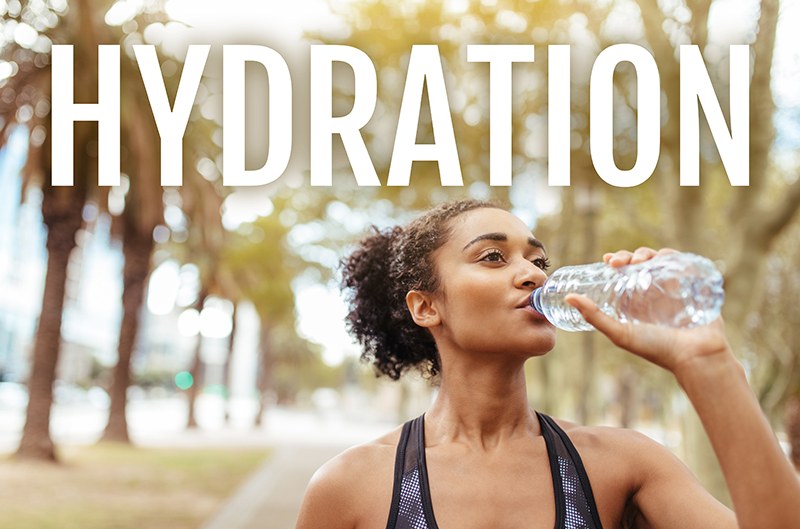
Athletes, no matter their age or skill level, must keep hydrated. Drinking enough water is super important for your health and how well you perform. Even a little bit of water loss can make it harder for you to do your best during exercise. Your body is mostly water, about 60%. When you exercise, you lose some water when you sweat and breathe out moisture. If you don’t drink enough water, your blood gets thicker, which makes it harder to carry oxygen to your muscles. Water also helps your joints move smoothly. When you’re not hydrated enough, your body can’t get rid of toxins or cool down properly, which can lead to heat-related sickness. To make sure you’re drinking enough water, here are some easy tips and rules from Dr. Sarah Eby, a specialist in sports medicine. How much water should you drink when you’re exercising?There aren’t exact rules for how much water athletes should drink. Generally, adult women should drink about 91 ounces (11 cups) of liquid a day, and adult men need about 125 ounces (15 cups). This includes water from drinks and food. But athletes need even more water to replace what they lose when they sweat. How much you need depends on things like how much you sweat, the weather, how hard you’re working out, and how long you’re active. How much water should you drink before, during, and after a workout?– Before Workout: Drink 17 to 20 ounces of water a few hours before exercising, and 8 ounces 20 to 30 minutes before starting.– During Workout: Try to drink 4 to 8 ounces every 15 to 20 minutes while you’re working out. If it’s not too hot and you’re not exercising super hard, you can aim for the lower end. But if it’s hot and you’re working out hard, you might need more.– After Workout: Weigh yourself before and after working out. For every pound you lose, drink about 3 cups of water to replace what you’ve lost. Signs you’re dehydrated:– Feeling thirsty– Dark yellow pee (it should look more like pale lemonade)– Feeling tired– Trouble concentrating or coordinating– Not performing as well as usual– Muscle cramps Tips for staying hydrated:– Have a plan for drinking water every day. If you want to drink 120 ounces a day, break it into smaller amounts and drink some every couple of hours.– Set reminders to drink water every 15 to 20 minutes, even during workouts.– Always carry a water bottle so you can drink whenever you need to.– Eat foods with lots of water in them, like watermelon, grapefruit, strawberries, and cantaloupe. What should you drink during exercise?Water is the best choice, but if you’re sweating a lot, you might need a sports drink that has electrolytes (important minerals like sodium, calcium, and potassium). These help your body work properly, especially when you’re exercising hard for more than 45 minutes. According to Dr. Eby, it’s essential to find a sports drink that tastes good to you. If it’s too strong or sweet, you can mix it with water. And if you’ve never tried a sports drink before, it’s a good idea to test it out during training first to see if it works for you. Drinks to avoid:– Alcohol: It makes you lose water faster.– Caffeine: It can make you pee more, but usually not as much as alcohol.– Carbonated drinks: They might upset your stomach, and your body might not absorb them as well as flat drinks. Extra hydration tips for athletes:– Older athletes should be extra careful about staying hydrated because their bodies have less water, and they might not feel thirsty as much.– Pregnant athletes need to make sure they’re drinking enough for themselves and their baby.– Athletes who train twice a day, like in football, need to be super careful about staying hydrated because it’s hard to drink enough when you’re working out more than once. The Sportz Planet Desk,Atharva Shetye
A Post-Workout Recovery Plan for Healthy Muscle Growth

After a tough workout, your body needs time to recover. But resting your muscles can sometimes feel harder than pushing yourself during exercise. The main goal is to improve, right? And who gets stronger by taking it easy? But here’s the thing: Including recovery in your workout plan can help you prevent injuries and avoid being sidelined. A good recovery plan should start right after your workout and continue over the following days. Here’s a simple plan to follow: Immediate Post-Workout Recovery StepsJust because you’ve finished sweating doesn’t mean your workout is over. What you do in the hour after exercising is just as important as the workout itself. Here’s what you can do to help your body recover: 1. Stretch It Out: Spend 5 to 10 minutes stretching during your cool-down. This helps release muscle tension and reduces soreness and injuries. 2. Drink Water: Hydration is crucial after a workout. When you sweat, you lose water, which can lead to muscle cramps, fatigue, and headaches. Drink water to replenish what you’ve lost. 3. Replenish Electrolytes: Sweating also removes electrolytes like sodium, potassium, magnesium, and calcium from your body. These minerals are essential for proper functioning. You can replenish them with sports drinks or nutritious snacks like bananas, oranges, raisins, peanuts, or walnuts. 4. Eat Protein: Protein is important for muscle repair and growth. Aim to consume at least 20 grams of protein after a tough workout. Good sources include eggs, fish, chicken, protein bars, shakes, or even chocolate milk. Night Plan: Get Some RestGetting enough sleep is crucial for your body to recover and rebuild muscles. Aim for 7 to 9 hours of sleep each night, especially after a workout. Adjust Your Next ActivityAfter intense exercise, engage in light activities to promote recovery without straining your body. This could be a leisurely walk, bike ride, or gentle kayaking session—whatever you enjoy, as long as it’s not too strenuous. Build a ScheduleCreate a workout routine that targets different muscle groups on different days, with rest days included. For instance:– Three days of strength training.– Two days of cardio.– Two days of light activity for recovery. In simple terms, taking care of your body after a workout is just as important as the workout itself. By stretching, drinking water, replenishing electrolytes, eating protein, getting enough sleep, and engaging in light activities, you can help your muscles recover and avoid injuries. Building these steps into your routine can keep you strong and healthy, allowing you to reach your fitness goals safely. So, remember to listen to your body and give it the rest it needs to keep moving forward. The Sportz Planet DeskAtharva Shetye